

-
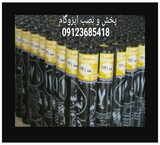
First grade Izogam Dilijan
با سلام، ضمن تشکر از این که آگهی ما را انتخاب نموده اید شرکت پیمان فن آوران صبا با بیش از15سال سابقه کاری در امور کارهای ایزوگام، قیرگونی در خدمت همشهریان عزیزمیباشد * ایزوگام دلیجان درجه یک * ایزوگام پشم شیشه ایران * ایزوگام بام گستر دلیجان * ایزوگام دلیجان درجه یک دولایه صادراتی فویل دار و ساده * قیرگونی سرویس های بهداشتی با گونی درجه یک بنگال و قیر پاسارگاد بصورت کلی و جزئی باشرایط نقد و اقساط مطمئن باشید از انتخاب ما پشیمان نمیشوید منتظر تماس شما هستیم
- Trusted Company
- Now the Treaty of fanavaran Saba
- Building Materials
- Tehran
- Make Call
-
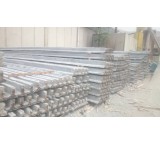
Standard Concrete Joist Manufacturing Factory
Prestressed joist, a smart choice for modern construction Why is the prestressed joist the best option for your project? - Significant savings: up to 30% less cost compared to other joists - Exceptional flexibility: spans up to 12 meters without the need for columns - Speed in execution: reduces the need for formwork and minimal on-site concrete pouring - Versatility in application: suitable for all types of projects, from residential homes to parking lots and commercial offices - High compatibility: usable with foam, clay blocks, or concrete - Guaranteed quality: certified by the Iranian National Standard and approved by the Housing Research Center. For orders or more information, contact us. Sales Manager 09127508864 Technical Manager 09367241414
- Trusted Company
- Pre-tensioned beam
- Building Materials
- Tehran
- Make Call
-
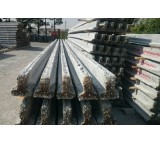
Technical Specifications of Prestressed Joist
Specifications of Iran Prestressed Joist The prestressed joist produced by this company uses ribbed wires with a strength of 1475 to 1960 Newton per square millimeter and high-quality concrete with a special mixing design of this company, with a strength class of C35 and above, and in dry form (non-slump), which requires intense vibration for compaction. The production of this special concrete, whose grading is constantly controlled, requires a special batching plant, and currently, one of the few producers of this product is Iran Prestressed Concrete Company. Method of Installing Prestressed Joist First, steel wires are placed on the band according to the joist type classification and stretched by special jacks up to 65% of the final capacity. Then the device is placed on the wires, and concrete pouring with a mix ratio of 450 and in dry form (non-slump) begins. After the concrete sets and undergoes special curing, which includes placing under cover, underfloor heating, and steam technology, sample cubes are broken by the company's equipped laboratory. After obtaining suitable results according to the company's factory standard, the wires are released, and the wire force is transferred to the joist section, thus the joist is prestressed. Weight per Meter of Prestressed Joist The weight of the prestressed joist produced by this company is between 23 to 25 kilograms, which reduces the volume of concrete pouring in the ceiling due to the filled web of the prestressed joist and ultimately reduces the total weight of the building. Of course, the weight of truss joists, pendulum joists, concrete heel joists, etc., considering the used rebars and filling their webs with concrete in the joint, will be more than this amount. For additional information and price inquiries, please contact the following numbers: 09127508864 Engineer Jeyhun 09367241414 Technical Manager
- Trusted Company
- Pre-tensioned beam
- Building Materials
- Tehran
- Make Call
-
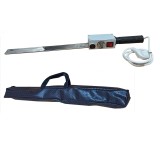
Electric Styrofoam Cutter
The electric styrofoam cutter is suitable for all types of styrofoam, such as ceiling styrofoam and sheet styrofoam. One of the features of this product is the cutting speed and the removal of styrofoam debris resulting from the cutting process. This device is very practical for all construction industry executors, including those involved in installing foam joist ceilings. Anyone who deals with cutting styrofoam in any way will find this device very useful and beneficial. The electric styrofoam cutter is introduced for the first time in the country and is very practical and affordable for cutting ceiling foam and ICF parts, needed by all execution teams. Features: - High cutting speed - Removal of styrofoam debris resulting from cutting - Comes with a 6-month replacement warranty - Affordable and economical price Technical specifications: - Length: 50 centimeters - Width: 6 centimeters - Blade length: 27 centimeters - Blade width: 2 centimeters - Input voltage: 220 volts
- Trusted Company
- Meh Mailstore
- Building Materials
- Tehran
- Make Call
-

Foam-less Formwork
Foam-less Formwork (Replacement for Styrofoam) Nowadays, the use of joist-block ceilings is very popular in our beloved country due to the easy execution method and the high speed of implementation compared to other concrete ceiling construction methods. This method is used even in the most remote areas of the country for building construction; however, it has disadvantages such as the harmful environmental impact of polystyrene products (polystyrene or Styrofoam) and adverse effects during fires. Most importantly, the use of Styrofoam reduces the joist's load-bearing capacity. To overcome these and other disadvantages, we introduce the use of foam-less formwork. One type of foam-less formwork is closed, with both sides sealed for use alongside joists and joints. Buying and selling second-hand foam-less formworks For purchasing or selling items related to the construction industry, visit the Mahmilstore.com online building materials store or call 09392515551.
- Trusted Company
- Meh Mailstore
- Building Materials
- Tehran
- Make Call
-
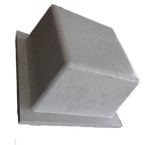
Waffle Mold
Waffle Mold Waffle slab is a suitable ceiling to replace old ceiling systems and has recently become one of the most popular types of ceilings in the construction industry. In recent years, various companies have tried to be leaders in selling waffle molds to contractors and building owners by manufacturing waffle ceiling molds. Among them, Gonbad Firouzeh Company, with 5 years of experience in producing simple and patterned waffle molds, has had the opportunity to identify the defects in common waffle molds by reviewing feedback from contractors and owners and, through expert studies, has sought to resolve them. Edge breakage of the mold, improper fixing of molds next to each other, and penetration of concrete slurry between them are among the defects in waffle molds that have always caused problems in project progress. Designers at Gonbad Firouzeh Company, by identifying defects like those mentioned, were able to cover these issues by introducing a one-sided waffle mold to the market, increasing project speed while maintaining high quality with less time spent. In addition to the mentioned defects, the polymer lock of the waffle mold designed by Gonbad Firouzeh Company has brought other advantages to this system, including: - The retaining lock facilitates execution, automatically aligning the waffle ceiling at right angles and straight. - The retaining lock prevents the mold from lifting and falling in stormy weather. - Holes placed around the mold allow for easy removal of the mold from under the ceiling with minimal damage using suitable hooks. For buying or selling construction materials, visit the online store Mahmilstore.com or call 09392515551. Buying and selling new and used molds
- Trusted Company
- Meh Mailstore
- Building Materials
- Tehran
- Make Call
-

Polycarbonate sheet- sale and installation of polycarbonate sheet, Crogit sheet and bubble skylight
فروش و طراحی و اجرای انواع ورقهای پلی کربنات و ورق کروگیت جهت پوشش نورگیر سقف سوله ونورگیر حبابی و پلکسی گلاسsayehsaz.com sayehsazco.ir
- Trusted Company
- Safe Shading Company
- Building Materials
- Tehran
- Make Call
-
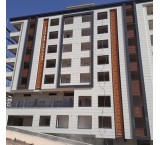
Cement Production, LSF Structure
Cement production is used for the following Cement Board, Wall Cement Drive, False Ceiling, Wallpaper, Partitioning, Cement Board, LSF Steel Structure, Prefabricated Building, Prefabricated Wall, Cement Board Sale Cement Co. Noteworthy Mass
- Trusted Company
- Sayban Sazaan Sabek Sazeh Company
- Building Materials
- Tehran
- Make Call
-
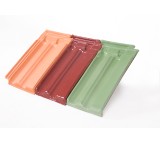
Tabarestan Pottery
Tabarestan pottery without glaze and natural color Tabarestan pottery glazed in green and ochre
- Trusted Company
- Manufacturing industries pottery Richard
- Building Materials
- Tehran
- Make Call
-
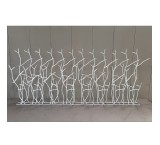
Kaveh
Deer Antler Guard is one of the most prestigious building security layers. Due to the variety of security systems in today\'s market and the security systems of the doors and windows of the building, the CCTV, etc., the physical obstacle on the outer edge of the building, the wall of the enclosure, seems necessary.\r\n\r\nCertainly the most important motivation for using deer horn shields on the wall is security, which is the task of the first generation of thorny wires, the second generation of the bayonet shields, and now the third generation of the deer horn fence.
- Trusted Company
- Kaveh Metal Industries
- Building Materials
- Tehran
- Make Call
-
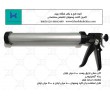
Sausage glue injection gun
پمپ تزریق چسب 600 میل سوسیسی جهت مصارف چسب پلی اورتان و سیلیکون . تحمل فشار تا حداکثر 10 بار . مناسب مثارف صنعتی و نیمه صنعتی مانند خطوط تولید و کارگاه های مونتاژ این گان ها از بدنه آلومینیومی و قطعات کاملا فلزی مونتاژ شدند. مقدار خروجی چسب ها از طریق سرنازل پلاستیکی که در سر گان قرار میگیردقابل کنترل است. به میزان برشی که کاربر میدهد میتوان چسب رو تزریق کرد. از این دستگاه میتوان در موارد زیر استفاده کرد پنل های سیمانی (فایبرسمنت برد) ساندویچ پنل ها سازه های بتنی و فلزی
- Trusted Company
- China Dry Design and Design
- Building Materials
- Tehran
- Make Call
-
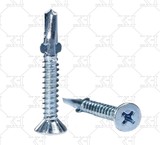
Fiber cement board screw
پیچ های سرمته بالدار مخصوص نصب فایبر سمنت برد بر روی سازه گالوانیزه - ساخت تایوان پیچ های مخصوص فایبر سمنت برد در ابعاد زیر قابل ارئه هستند . 25*4.2 هر بسته 800 عدد 32*4.2 هر بسته 800 عدد 38*4.2 هر بسته 700 عدد 50*4.2 هر بسته 500 عدد حال اشاره ای به اعضای ظاهری این پیچ ها داشته باشیم بالهای دو طرف مته سمنت بردرا با قطربیشتری از قطربدنه پیچ می تراشد و به خاطر ظرافت وقتی به پروفیل زیر کار می رسد می شکند و پیچ در فلز فیکس می شود. این موضوع باعث می شود که پیچ فضای حرکت 2 میلی متری در داخل ورق سیمانی باشد. سرمته ایی پیچ ها به پیش سوراخکاری ندارند و خود پیچ از سمنت برد و زیر سازی فلزی رد می شود. تیغه های زیر گل پیچ باعث می شوند که گل پیچ در داخل سمنت برد به راحتی دفن شود و باعث بروز مشکل در عملیات نقاشی نگردد.
- Trusted Company
- China Dry Design and Design
- Building Materials
- Tehran
- Make Call
-
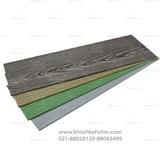
Fiber cement board
فروش انواع فایبر سمنت برد ایرانی و تایلندی - فایبر سمنت ساده و طرح چوب تامین انواع ضخامتهای فایبر سمنت برد جهت اجرای پروژه های نما ، دیوار داخلی ، سقف کاذب ، کف کاذب و ... فایبر سمنت برد های طرح چوب برای استفاده در نمای ساختمانهای ویلایی و کانکس و ساختمان های شهری جایگزین بسیار به صرفه برای انواع نمای خشک مقاوم در برابر شرایط اقلیمی ، حریق و اشعه UV بسیار مقرون به صرفه تر از سرامیک پرسلانی و ترموود و سایر محصولات خشک نما
- Trusted Company
- China Dry Design and Design
- Building Materials
- Tehran
- Make Call
-
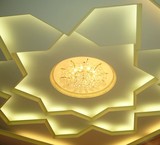
Selling the roof
Sale of cannabis\r\nSelling all Cannaf products including:\r\nSell 60 x 60 tiles (gypsum-pvc-aluminum, etc.)\r\nSelling Gypsum Panel Includes Panels (Wet Resistant and Fire RG 12.5 RG 9.5 - MR - FR - (FM and ...\r\nSale of galvanized structures for cannabis infrastructure at factory price includes:\r\nClick Galvanized Profiles for False Ceiling Infrastructure (Galvanized Profile 3.60 - Galvanized Profile 1.20 - Galvanized Profile 0.60 - L24 Corner and ...\r\nF47 - UH36 - L25 - Bracket - Clip and ...\r\nGalvanized Wall Infrastructure Profiles Includes Runner U100 - U70 - U50 and Master C100 - C70 - C50 and ...\r\n \r\nSelling all accessories for wall and false ceilings including: Types of screws - mesh strips - sealant putty - mastics and ...\r\nPhone: 44349300 (021)\r\nMobile: 09381884014\r\nWebsite
- Trusted Company
- Idea Idea Corporation
- Building Materials
- Tehran
- Make Call
-

Building Renovation in Niavaran
Building renovation in Niavaran; Luxurizing your home with Eytok Architecture and Construction Group Are you a property owner in Niavaran and considering renovating it? Niavaran, one of the most authentic and luxurious neighborhoods in northern Tehran, with its valuable villas and apartments, always requires principled and modern renovations. Eytok Architecture and Construction Group, with years of outstanding experience in building renovation in Niavaran and other luxury areas of Tehran, is ready to transform your property into a modern, beautiful, and valuable space. Why is building renovation in Niavaran especially important? Due to its unique geographical location, proximity to the Alborz mountains, pleasant climate, and authentic architectural texture, Niavaran is considered one of the most expensive and popular residential areas in Tehran. Many buildings in this area were constructed decades ago and, despite having suitable structural strength, need updates in interior design, installations, and amenities. A proper building renovation project in Niavaran not only significantly increases your property's value but also enhances your quality of life. On the other hand, strict municipal regulations and construction restrictions in this area require a specialized team familiar with local rules. Eytok Architecture and Construction Group, with years of experience in luxury projects in northern Tehran, is the best choice to accompany you. Specialized Building Renovation Services in Niavaran Eytok Group offers a full range of building renovation services in Niavaran. Depending on the type of property (apartment, villa, or old house) and your needs, you can benefit from the following services: Residential Building Renovation in Niavaran Many houses and apartments in Niavaran have old floor plans and closed spaces. A professional residential building renovation project can create a modern and pleasant space by changing the plan, removing unnecessary walls, increasing natural light, and updating kitchens and bathrooms. Using luxurious materials and unique interior design are main features of our projects in this area. Commercial Building Renovation in Niavaran Due to the presence of main and busy streets like Shahid Bahonar (Niavaran) Street, Niavaran has high potential for luxury businesses such as boutiques, cafes, and modern restaurants. Renovating commercial buildings here with attractive facades, professional lighting, and smart layouts can attract more customers. The appearance of a commercial unit in Niavaran plays a key role in your business success. Office Building Renovation in Niavaran If your office or company is located in Niavaran, a modern office renovation can enhance your brand's professional image and increase employee productivity. Designing management desks, creating equipped meeting rooms, installing false ceilings, and appropriate lighting are among the services Eytok offers in this field. Villa Renovation in Niavaran Niavaran and surrounding areas such as Farmanieh, Darabad, and Jamaran have numerous valuable villas. Villa renovation in this area requires special expertise and delicacy. From exterior facade renovation and landscaping to pool design, roof garden, and optimizing interior space, all must be done carefully and in full coordination to turn your villa into a modern paradise. Specific Challenges of Renovation in Niavaran Building renovation in Niavaran comes with unique challenges that awareness of them can help you choose the right team: - Strict municipal regulations: Due to its location near the mountain zone and historic texture, Niavaran has special building codes. Eytok team, fully familiar with these laws, assists you in obtaining necessary permits. - Difficult access: Narrow and steep alleys in Niavaran make transporting materials and equipment challenging. We manage this challenge with precise planning. - Preserving architectural identity: Many buildings in Niavaran have historical and architectural value. Renovation must balance modernity and authenticity preservation. - High quality expectations: Residents of Niavaran usually expect high quality and luxury in projects. Our team meets these expectations using the best materials and unique designs. Project Implementation Steps with Eytok Group To ensure your building renovation and repair project in Niavaran, Tehran proceeds in the best possible way, Eytok team carefully and transparently follows these steps: 1. Initial consultation and inspection: Our experts visit your property to assess the structure, installations, and existing potentials. 2. Proposal and cost estimation: Based on your needs and budget, a proposed plan and precise cost estimate are provided. 3. Obtaining permits: If necessary, our team follows up to obtain permits from the municipality. 4. Project execution: With continuous supervision and use of high-quality materials, the project is executed within the agreed timeline. 5. Final delivery and support: After completion, the project is handed over to you, and support services are provided. Eytok Projects in Northern Tehran Eytok Architecture and Construction Group proudly has executed numerous renovation projects in luxury northern Tehran areas including Niavaran, Farmanieh, Elahieh, and Saadat Abad. Some of these projects include: - Luxury apartment renovation in Niavaran - Garden villa renovation in Shahriar - Residential house renovation in District 18, Tehran - Apartment renovation in South Nabard Positive client feedback and high-quality executed projects testify to our commitment and expertise. Why Choose Eytok Group for Renovation in Niavaran? Choosing the right contractor is the most important step in a renovation project. Eytok Architecture and Construction Group, with the following features, is the best choice for you: - Experience in luxury areas: We have years of activity in northern Tehran and luxury areas and are familiar with residents' needs and expectations. - Specialized and experienced team: From architects and engineers to execution staff, all team members are professional and experienced. - Use of luxurious materials: We cooperate with reputable suppliers and use the best and most luxurious materials in projects. - Complete transparency: All costs and execution stages are clearly communicated before starting work. - Commitment to quality and deadlines: We are committed to delivering the project on the agreed time and with the highest quality. - Integrated services: From architectural and interior design to final execution, all services are provided under one roof. Frequently Asked Questions about Building Renovation in Niavaran How much does building renovation in Niavaran cost? Costs depend on various factors such as area, usage type, extent of changes, material quality, and project complexity. Eytok Architecture and Construction Group provides precise and transparent estimates to help you plan openly. Contact us for an initial estimate. Is a permit required for renovation in Niavaran? Depending on the type and extent of changes, a municipal permit may be required. Eytok's legal and engineering team guides you through this process and follows up as needed. How long does the project take? Duration depends on factors like area, type of renovation, and complexity. We provide a precise and realistic schedule at the start and commit to it. Does Eytok use luxurious materials? Yes, using high-quality and luxurious materials is a fundamental principle of our work. We cooperate with reputable suppliers, and all materials used have authenticity guarantees. Is support provided after project completion? Yes, Eytok Group offers support services after project completion to ensure your full satisfaction with the final result. Special Services of Eytok Group Besides building renovation in Niavaran, Eytok Architecture and Construction Group also offers: - Residential building renovation - Commercial building renovation - Office building renovation - Villa renovation - Building renovation and repairs in Tehran - Building renovation services - Building repairs - Renovation and decoration services - Interior design and decoration - False ceiling and lighting installation - Cabinet making and installation - Tiling and ceramics - Painting and plastering - Electrical and plumbing installations - Landscaping and roof garden - Facade design and execution Contact Eytok Architecture and Construction Group If you are looking for free consultation, price inquiry, or to arrange a site visit for your building renovation project in Niavaran, contact our experts at Eytok Architecture and Construction Group now. With our comprehensive renovation and decoration services, we will accompany you through all stages, from idea to execution. Phone: For free consultation and site visit arrangements, call the number listed on Eytok's website. WhatsApp: You can also contact us via the WhatsApp number listed on the website. Website: To view project samples and get more information, visit our website: Instagram: Follow us on social media to stay updated on the latest projects and special discounts. Building Renovation in Niavaran Residential Building Renovation Commercial Building Renovation Office Building Renovation Villa Renovation Building Renovation and Repairs in Tehran Building Renovation Services Building Repairs Renovation and Decoration Services Home Renovation in Niavaran Apartment Renovation in Niavaran Villa Renovation in Niavaran Best Renovation Company in Niavaran Building Renovation Price in Niavaran Renovation Cost in Niavaran Renovation Contractor in Niavaran Eytok Architecture and Construction Group
- گروه معماری و عمران ایتوک
- Building Materials
- Tehran
- Make Call
-
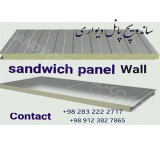
Sandwich panel and types of colored sheets and connectors
ساندویچ پانل وانواع ورق رنگی وکانکس استعلام قیمت ساندویچ پانل,فروش و نصب ساندویچ پانل عایق پلی اورتان,نصب کننده ساندویچ پانل , ساندویچ پانل ماموت، ساندویچ پنل پلی اورتان ، عایق ساندویچ پانل سقفی ، ساندویچ پانل دیواری ضد اتش ، نصب ساندویچ پانل ، ساندویچ پانل ماموت ، نصاب ساندویچ پانل ، انواع پانل ، پانل پلی اورتان قیمت ساندویچ پانل درب کارخانه, هزینه نصب ساندویچ پانل,خرید مستقیم پانل از کارخانه ماموت,خرید قسطی ساندویچ پانل و کانکس, رال رنگ ها,کد رنگ های ساندویچ پانل ماموت,ماموت دیزل قزوین,ماموت پانل تهران,دفتر مرکزی ماموت , تولید ، فروش و طراحی انواع ساندویچ پانل های سقفی ، دیواری ،ساندویچ پانل اتاق های تمیز و انواع ساندویچ پانل های سفارشی با پیشرفت بشر در زمینه معماری و ساختمان سازی و با توجه به علاقه ی صاحبان صنایع مرتبط به تنوع روز به روز سازه ها و تاثیر نماهای متفاوت و زیبا در طراحی سازه ها، مجموعه های بسیاری در زمینه ساخت و طراحی ساندویچ پانل و سایر محصولات مرتبط آغاز به فعالیت کردند. مرجع تخصصی ساندویچ پانل ایران (مجتمع صنعتی ماموت)در این زمینه نامی آشناست. طراحی منحصر به فرد، تولید با کیفیت، ضمانت در فروش ، مقرون به صرفه بودن برای خرید و همچنین اجرای متفاوت و بدون نقص موجب شده است تا صاحبان صنایع خاص و علاقمندان به این صنعت از کنار این نام به راحتی عبور نکنند. ما ادعا می کنیم با تکیه بر تجربه ای چندین ساله مشاوران متخصصی را در کنارمان داریم که قادر هستند با توجه به نیازمندی مشتری بهترین گزینه را برای محصول و کاربری مشتری پیشنهاد کنند و فرایند تولید و نصب را به گونه ای هدایت کنند تا محصول نهایی دقیقا منطبق با درخواست مشتری باشد. نیاز به اطلاع رسانی تخصصی تر و جایگزین شدن این سازه ها با ساختمان های سنتی، ما را بر آن داشته است تا آخرین و به روز ترین اطلاعات را در اختیار بازدیدکنندگان قراردهیم. این امر موجب می شود فواید بسیاری از جمله مقاومت، دوام، سبکی، سرعت نصب، نمای زیبا، مقاوم بودن و عایق بودن اهمیت خود را در برابر مشتریان حفظ کنند و تولید کنندگان بزرگ این صنف معرفی شده و روز به روز پیشرفت کنند. این مجموعه مفتخر است با ظرفیت تولید بیش از 6.000.000 متر در سال و به کارگیری صد ها نفر در خط تولید و پشتیبانی و اجرا ، در وهله ی اول مشتریان را از هرگونه نمونه ی وارداتی بی نیاز کند و در ثانی با کار آفرینی و گسترش روز افزون نیروی کار بسیاری را جذب کرده و با یافتن استعداد های جدید انسانی در جهت رشد نیروی کار قدم بردارد. تک تک کارکنان و مدیران این گروه همواره با هدف ارتقای سطح کیفی محصولات و ارائه خدمات بهتر در راستای فروش مناسب، سهم عمده ای در بازار ساندویچ پانل ایران دارند و با این امید فعالیت خود را ادامه می دهند که روزی بتوانند تک تک نیازمندی های مشتریان را قابل اجرا نمایند و سازه هایی بی نقص برای اصناف مختلف ارائه دهند. ادرس: اتوبان کرج به قزوین – هشتگرد –کارخانجات مجتمع صنعتی ماموت 7865 382 0912 2717 3222 028 ایمیل : MAMMUTPANEL@YAHOO.COM
-
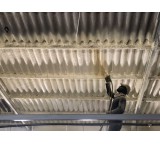
Polyurethane thermal insulation
Production and implementation of polyurethane insulation throughout the country\r\nThe best current insulation with a useful life of over 30 years, the ability to cover all gaps and seams, no moisture absorption, lower heat transfer coefficient and higher thermal resistance than other existing insulations, and the ability to be implemented quickly and in a very short time.\r\nApplications of polyurethane insulation\r\nVilla and building insulation, poultry shed insulation, LSF insulation, industrial shed insulation, insulation and sealing and air sealing
-
Supplying all kinds of Heplex connections
Bahuran Group is a supplier of Heplex blocks. Heplex block connections include radical, E-crack, flat, and L-shaped fasteners, which are used to strengthen the wall against earthquakes.\r\nHeplex block is a type of light concrete block that is very popular in the construction industry due to its light weight and ease of implementation. Hablex light block is used in different parts of the structure. When implementing the Heplex wall, Heplex fasteners are used to integrate or strengthen the wall, which are produced in fixed, L-shaped, shutter, and radical types. The ultimate goal of all fasteners is to strengthen the wall, and their implementation methods are different from each other.
- باهو ران
- Building Materials
- Tehran
- Make Call
-
Bahoran Company Supplier of Various Hebel Connections
✅ Lightweight Hebel Blocks; The Professional Choice for Modern Construction! ?️ Lighter, Stronger, Faster! If you are looking for fast, durable, and cost-effective construction, lightweight Hebel blocks are the best option for you. ✔️ Excellent insulation against cold and heat ✔️ Earthquake-resistant and fireproof ✔️ Reduces mortar and labor costs ✔️ Easy cutting and installation without the need for high expertise ? Hebel; saving time and cost with unmatched quality! Bahoran Company, with several years of experience and background in the field of Hebel and its connections, is proud to offer Hebel connections to you with the best quality and great prices. For purchase and free consultation, please contact our experts. Lightweight Hebel blocks have many advantages including: insulation against cold and heat, moisture insulation, sound insulation, earthquake resistance, which have been welcomed by many engineers and construction contractors. ? Call now and get a free consultation! Fast delivery nationwide ✅ 09127910460
- باهو ران
- Building Materials
- Tehran
- Make Call
-
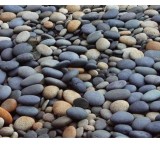
Selling Pebble Stones in Various Colors
Round pebble stones are found in various colors including white, gray, brown, and black. For these reasons, the round type of these stones is the most popular for use in different landscaping areas. Beautiful and shiny colors Made from travertine, porcelain, crystal, marble, and marquetry Usable in indoor and outdoor spaces Production of various decorative pebble stones in different colors Selling various colored pebble stones; these are river stones with a minimum diameter of more than 5 centimeters. The smallest size of pebble stone used in wall construction is 15 centimeters.
- سنگ رودکی
- Building Materials
- Tehran
- Make Call