

-

Performing bot fusion welding of polyethylene pipes
شرکت تاف آب گستر البرز با دارا بودن پرسنل متخصص و آموزش دیده و بهره مندی از تکنیکهای جوشکاری پلی اتیلن و پشتیبانی فنی و مهندسی هرگونه خدمات مربوط به طراحی، محاسبات، جوشکاری و نصب و راه اندازی سامانه های پلی اتیلنی را در سراسر کشور انجام می دهد . چکیده خدمات – ارائه سرویس جوش و نصب برای پروژههای خط لوله پلی اتیلن – ارائه سرویس جوش و نصب انواع اتصالات پلی اتیلن – بررسی اولیه محل اجرا، شرایط اقلیمی و امکانات موجود – طراحی اولیه و برنامه زمان بندی اجرایی – برآورد هزینههای احتمالی و اضافی – اجرای کامل عملیات نصب و جوش پلی اتیلن – نظارت کامل بر عملکرد جوشکاران در تمامی مراحل نصب – کنترل کیفیت جوش و آزمون جوش – انجام آزمونهای نشتی و فشار خط بنا بر درخواست مشتری در بخشهای مربوط به لوله و اتصالات پلی اتیلنی – نظارت بر آزمون خط بنا بر درخواست مشتری و ارائه مشاوره فنی و راه کار برای حل مشکلات احتمالی – اجرای پروژهها در کوتاهترین زمان ممکن انواع جوش های پلی اتیلن جوش لب به لب: جوش لب به لب متداولترین و بهترین گزینه برای اتصال لولههای پلی اتیلن میباشد. در این روش، سطوح محل اتصال (ضخامت کامل دیواره لوله) با صفحه داغ تا دمای جوشکاری گرم میشوند. سپس صفحه داغ برداشته میشود و سطوح مذاب با اعمال فشار معین طی زمان خاصی به هم فشرده شده و عملیات جوش تکمیل میگردد. مزایای جوش لب به لب: • یکپارچگی جوش در تمام سطح دیواره یا ضخامت لوله • ایمنی بالا (محل جوش مقاومتی بالاتر از لوله دارد) • محافظت در برابر خوردگی و آلودگیهای محیطی • سهولت و سرعت عمل جوشکاری • هزینه کم • عدم نشتی • تکرار پذیری پارامتر های جوش • کاهش خطای انسانی جوش الکتروفیوژن: در اتصالات سوکتی جوش الکتروفیوژن از کویلهای حرارتی برای ایجاد گرما و اتصال لولهها استفاده میشود. در این روش صرفا لایه نازکی از سطح خارجی لوله با اتصال الکتروفیوژن درگیر میشود. بنابراین این روش در کاربردهای محدودتری بکار گرفته میشود. کیفیت جوشکاری در هر دو روش بستگی به دستگاه جوش، مهارت و تجربه جوشکار، قابلیت استفاده بهینه از ماشین آلات و تجهیزات جوشکاری، و دستورالعملهای جوشکاری دارد. گذراندن دورههای جوش و اخذ گواهینامه معتبر و به روز شده از الزامات جوشکار میباشد. مهمترین روش های اتصال حرارتی در سامانههای پلی اتیلنی، جوش لب به لب و جوش الکتروفیوژن میباشد
- Gold user
- Trusted Company
- TAF TAF
- Water and Wastewater
- Tehran
- Make Call
-
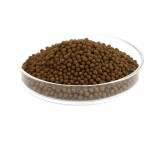
Granular Dry Bacteria for Treatment Plant Systems
RAIBAC Dry Biological Bacterial Starter A specialized solution for rapid start-up, strengthening, growth, stability, optimization, and efficiency improvement during the operation of biological wastewater treatment plants. RAIBAC | Dry Biological Bacterial Starter RAIBAC biological starter is a specialized product in the field of biological wastewater treatment, offered as a dry granule designed to assist in start-up, microbial population enhancement, and performance improvement of industrial and sanitary wastewater treatment processes. This product, with a specialized microbial formulation based on declared bacterial specifications including Bacillus subtilis, is designed for use in start-up and optimization programs of biological treatment systems. The dry granular form allows controlled storage and consumption within technical guidelines. Advantages and Practical Capabilities • Assists rapid start-up and operation of wastewater treatment plants: supports establishment and development of microbial populations under suitable operational conditions. • Improves removal of organic pollutants: helps enhance BOD and COD removal according to wastewater type, environmental conditions, and system biological capacity. • Aids biological process recovery: can be considered for use in cases of performance decline, organic shock, or system stoppage after assessing the cause of disruption. • Applicable in aerobic and anaerobic processes: compatible with microbial adaptation, reactor type, and specific consumption instructions. • Dry granular form: suitable for transport, storage, and controlled injection according to product technical specifications. Application Areas RAIBAC is offered for evaluation and use in biological treatment systems across various industries, including: • Livestock and poultry slaughterhouses and meat processing industries • Beverage, soda production, and food industries • Tomato paste and concentrate manufacturing plants • Dairy industries, cheese production, and dairy products • Steel, metals, and industrial processes with organic wastewater • Municipal, human, and sanitary wastewater treatment plants and other manufacturing industries using biological treatment plants. Technical Note: Product selection, dosage, and applicability in each industry must be determined considering wastewater characteristics, potential toxicity, organic load, pH, temperature, dissolved oxygen, and exclusively within biological wastewater treatment processes. Product Technical Specifications • Product name: RAIBAC Biological Starter (aerobic, anaerobic) dry bacteria • Product type: dry granular biological starter • Declared bacterial species: Bacillus subtilis • Declared microbial group: aerobic and facultative heterotrophic bacteria, according to product technical specifications • Physical form: dry granule • Packaging weight: 25 and 50 kg bags • Usage: according to calculated dosage and technical instructions suitable for treatment plant conditions Difference from Animal Manure and Liquid Bacteria RAIBAC biological starter is offered as a specialized microbial product and should not be considered the same as granules derived from animal manure or liquid microbial products. Real differences should be evaluated based on microbial identity, latest status of microorganisms in aerobic and anaerobic reactors, purity, stability, and quality control documentation. Specialized Supply with Technical Consultation Aras Iranian Water Purification Company | Environmental Engineering, with experience in design, start-up, operation, and optimization of industrial and sanitary wastewater treatment plants, is ready to supply biological starters and provide specialized consultation for consumption methods and system performance monitoring. Dosage is not determined solely by reactor volume; wastewater flow, incoming organic load, COD and BOD concentration, biological conditions, activated sludge status, and operational goals must also be reviewed. Upon agreement and depending on project conditions, expert services for initial assessment, injection planning, and start-up monitoring are offered. For updated pricing inquiries, bulk and retail purchases, and technical consultation, contact Aras Water Purification Company experts or the company's internal manager, Engineer Abrishami, or send your request via SMS.☎ 09906958353 09194034925 09120832370 Fax: 04133356988 Aras Iranian Water Purification; specialized supply of materials and engineering solutions to improve wastewater treatment plant performance. ï“
- Gold user
- Trusted Company
- Aras Iranian Water Refining
- Water and Wastewater
- East Azarbaijan
- Make Call
-
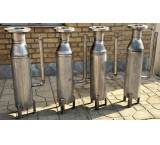
Airlift Treatment System
Airlifts (Air Lift Systems) Airlifts are practical equipment in wastewater treatment systems that use air pressure and flow to transfer fluid or sludge to the desired point without the need for mechanical pumps. Due to their simple structure and lack of moving mechanical parts, these systems feature low wear, stable performance, and low maintenance and repair costs. Airlifts can be designed and manufactured in various materials and sizes according to the type of fluid, environmental conditions, and project requirements. Types of airlifts available: - Metal airlift; suitable for industrial applications and various working conditions - Polyethylene airlift; corrosion-resistant and suitable for corrosive environments - Stainless steel airlift; highly resistant to corrosion and suitable for harsh working conditions Advantages and applications: - Effective transfer of sludge and fluids - Low wear and maintenance requirements - Absence of moving mechanical parts - Suitable performance in various wastewater treatment processes - Suitable for use in treatment basins, activated sludge systems, and other processing units For more information, specialized consultation, and pricing, please contact: 09906958353
- Gold user
- Trusted Company
- Aras Iranian Water Refining
- Water and Wastewater
- East Azarbaijan
- Make Call
-
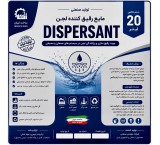
DISPERSANT Sludge Diluent Liquid
DISPERSANT Sludge Diluent Liquid DISPERSANT is a specialized and practical product designed to improve the dilution process and reduce the adhesion and accumulation of sludge in industrial and environmental water and wastewater treatment systems. This product helps uniformly disperse sludge particles and prevent the formation of dense clumps, resulting in smoother sludge flow and facilitating its transfer, pumping, and handling processes. Using DISPERSANT can help reduce clogging of lines and equipment, improve sludge flow, and increase the operational efficiency of the treatment system, thereby making sludge management and operation easier. Benefits and Features: * Reduces sludge adhesion and accumulation * Helps uniform dispersion of particles * Prevents clumping and clogging * Facilitates sludge pumping and transfer * Improves sludge flowability * Suitable for industrial applications and water and wastewater treatment systems * Helps increase the efficiency of sludge management and transfer processes For up-to-date price inquiries, order registration, and free consultation, please contact our experts or the company's internal manager (Ms. Engineer Abrishami): 09906958353 Fax: 04133356988 Thank you for your trust
- Gold user
- Trusted Company
- Aras Iranian Water Refining
- Water and Wastewater
- East Azarbaijan
- Make Call
-
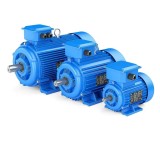
Electromotor for Treatment Plant System
Electric Motors (الکتروموتورها) Electric motors are key equipment and drivers for many machines and devices in wastewater treatment plants, used to operate equipment such as pumps, blowers, mixers, and mechanical systems. Correct selection of the electric motor based on required power, working conditions, and continuous operation capability plays an important role in system stability, efficiency, and reducing maintenance costs. The electric motors offered are selected from reputable brands suitable for project needs: Motogen; suitable for industrial applications and continuous operation Beem; suitable for use in industrial equipment and systems Siemens; a quality choice for industrial applications and sensitive processes These electric motors are available in various power ratings and specifications, tailored to the type of equipment, operating conditions, and project requirements. For more information, specialized consultation, and pricing, please contact: 09906958353
- Gold user
- Trusted Company
- Aras Iranian Water Refining
- Water and Wastewater
- East Azarbaijan
- Make Call
-
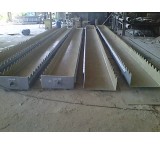
V-Notch Weir & Baffle
V-Notch Weir & Baffle Stainless steel V-Notch Weirs and Baffles are important equipment in wastewater treatment units, used to control, regulate, and uniformly distribute flow in basins and treatment units. Proper design of these devices helps prevent unbalanced flows and improves hydraulic conditions, especially in the sedimentation process. These devices are made from corrosion-resistant stainless steel and are suitable for continuous use in the humid and corrosive environments of treatment plants. Specifications and Applications: Material: Corrosion-resistant stainless steel Application: Clarifiers and sedimentation basins Function: Uniform flow distribution and control of level and flow rate Advantages: High durability, corrosion resistance, and stable performance under treatment plant operating conditions For more information, specialized consultation, and pricing, please contact: 09906958353
- Gold user
- Trusted Company
- Aras Iranian Water Refining
- Water and Wastewater
- East Azarbaijan
- Make Call
-

Wholesale Industrial PAC, Poly Aluminium Chloride for Wastewater
Direct sale of industrial Poly Aluminium Chloride (PAC) with high coagulation power, suitable for treating industrial and municipal wastewater. This highly efficient material is used to reduce turbidity, remove heavy metals, organic substances, and phosp
- Gold user
- Trusted Company
- Scientist Petrochemical Kimia
- Water and Wastewater
- Alborz
- Make Call
-
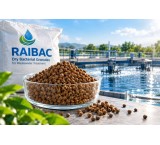
Granular Dry Bacteria
? RAIBAC | Granular Dry Bacteria for Wastewater Treatment ? Increase treatment efficiency with an effective solution in the biological treatment process RAIBAC granular dry bacteria is a biological starter used in industrial and sanitary wastewater treatment systems that, by aiding the activity of beneficial microorganisms, can play an effective role in improving the performance of the biological treatment process. ✅ Helps improve wastewater treatment efficiency ✅ Helps reduce unpleasant odors ✅ Suitable for use in industrial and sanitary wastewater treatment systems ✅ A solution to help improve the performance of biological treatment processes Supply and specialized consultation for granular dry bacteria Pouyan Gostarsh Sanat Palayesh Ab Company
-

Cooling tower splash net packing
اهمیت انتخاب پکینگ برج خنک کننده: با توجه به این که اصول طراحی برج خنک کننده بر پایه ی سطح تماس بین آب و هوا می باشد بنابراین سطوحی که آب را به لحاظ انتقال حرارت در تماس با هوا قرار می دهند حائز اهمیت می باشد . انتخاب جنس و نوع پکینگ مدیا یک فرآیند راحت نیست زیرا که این انتخاب به دلایلی فراوانی از حساسیت بالایی برخوردار است و این به این خاطر بوده که از کار افتادن این بخش , به معنی از دست دادن کارایی کل سیستم می باشد . انتخاب جنس و نوع پکینگ و حتی گام پکینگ و ابعاد پکینگ یکی از وظایف طراحان کولینگ تاور می باشد . این انتخاب به پارامتر های متفاوتی می باشد که به طور مختصر دلایل مهم آن به شرح زیر می باشد: 1- دمای آب گرم ورودی به برج خنک کننده ( زیرا که هر یک از انواع پکینگ ها قابلیت تحمل دمایی متفاوتی دارند ) 2- راندمان حرارتی 3- اسیدی یا بازی بودن آب و یا هر سیال دیگر 4- سختی آب در گردش اطلاعات بیشتر در وب سایت آذین تهویه بنابراین با توجه به مشخصات محیط مورد استفاده و آنالیز سیال در گردش و همچنین رنج دمایی این سیال می توان با در نظر گرفتن بالاترین راندمان حرارتی , بالاترین عمر مفید و بالاترین سطح ویژه نوع و جنس پکینگ مورد استفاده طراحی گردد. انواع پکینگ ها : الف) فیلمی یا آبشاری (film ) ب) اسپلش (splash ) ( خود شامل چند مدل مختلف از قبیل : رندوم اسپلش و اسپلش بلوکی و ... می باشد ) پکینگ های آبشاری : پکینگ های آبشاری به لحاظ جنس خود به دو دسته تقسیم می شوند: 1-PVC 2- PP پکینگ های PVC در مقایسه با مدل PP یک سری مزیت ها و یک سری نواقص دارند از جمله برتری های این نوع پکینگ ها نسبت به مدل PP در بالاتر بودن سطح ویژه آن است. ( به سطح موثر صفحات یا ورق های انتقال حرارت در واحد حجم سطح ویژه می گویند ) حال با توجه به گام پکینگ های PVC , از رنج 12 میل تا 19 میل, سطح ویژه ی این پکینگ ها از 70 تا 300 متر مربع بر متر مکعب متغیر است . (گام پکینگ حد فاصل بین صفحات داخل پکینگ می باشد ) بنابراین هرچه گام پکینگ کمتر باشد سطح ویژه انتقال حرارت بیشتر می شود و تعداد صفحات انتقال حرارت بیشتری درحجم معین می توان جمع اوری کرد ولی این گام به لحاظ انسداد در بین صفحات از یک حد معینی نباید پایین تر شود زیرا که بعد از مدتی صفحات انتقال حرارت مسدود می شود و برج کارایی لازم رو نخواهد داشت . این در حالی است که در بیشتر پروژه ها محدودیت فضای کولینگ تاور یک عامل اساسی در طراحی است بنابراین طراحان با در نظر گرفتن دیگر پارامتر ها به دنبال اجرای پکینگ ها با سطح ویژه بیشتری هستند .
- Gold user
- Azin Tahvieh
- Water and Wastewater
- Tehran
- Make Call
-

Industrial cooling tower Cooling tower price
Cooling towers are tools used to cool water. These equipments are often used in large industries and open spaces. The main purpose of this equipment is to remove excess heat from water that occurs in industrial processes.\r\nCooling towers can be divided into two categories: [water cooling towers] and dry cooling towers.\r\ cooling towers use water for cooling. These types of cooling towers send water to a tower and then pump the water into the tower through a pump. Actually, the water is placed as the lowest layer in the tower and by releasing the air, it transfers its heat to the air.\r\nDry cooling towers are used as an alternative to water cooling towers and also as a closed loop in cooling systems. In these types of towers, cool air is compressed into the tower through a fan and then exits through an outlet tower. In this method, air and water do not interact, and for this reason, the cost of energy consumption is lower.\r\nAlso, depending on the needs and industrial conditions, cooling towers can be divided into two categories: open towers and closed towers. Open towers, cool air enters the tower through windows and humidity strips. In closed towers, cool air is drawn into the tower through a fan and then exits through an outlet tower.\r\nTherefore, dry and water cooling towers include both types of open and closed towers\r\nIndustrial cooling tower components: an overview of installation and maintenance\r\nIndustrial cooling towers are essential components of many industrial processes that generate large amounts of waste heat. These devices work by releasing excess heat to the atmosphere through evaporation, providing a safe and efficient way to maintain machinery operating temperatures. In this article, we discuss the key parts of an industrial cooling tower, how to install it, and the costs related to these devices.\r\nThe main components of an industrial cooling tower\r\nAn industrial cooling tower consists of several key components that work together to remove excess heat from industrial processes. One of the most important parts of a cooling tower is the filler, which is designed to maximize the surface area available for heat transfer between water and air. The filler is usually made of PVC or other suitable material and arranged in a honeycomb pattern to provide a large contact surface.\r\nAnother key component of an industrial cooling tower is the fan. The fan is responsible for drawing air through the filler to facilitate the heat transfer process. The type and size of fan used depends on the specific needs of the application and the size of the cooling tower.\r\nThe basin is another vital component of the cooling tower. Water is pumped into the basin, where it is evenly distributed over the fill surface. As the water fills through, it is exposed to air drawn in by the fan, allowing heat to transfer from the water to the air.\r\nFinally, thrust eliminators are also critical components of a tower
- Gold user
- Azin Tahvieh
- Water and Wastewater
- Tehran
- Make Call
-

Biological Starter - Dry Bacteria
Specialized biological starter for startup, restoration, and optimization of industrial and sanitary wastewater treatment systems Helps reduce pollution indices BOD and COD Helps reduce unpleasant wastewater odors Speeds up startup and recovery of biological systems Helps stabilize activated sludge and improve treatment efficiency Suitable for industrial and domestic wastewater treatment packages, septic tanks, and aerobic and semi-aerobic systems Usable in systems facing organic shock loads and flow fluctuations Product supply along with technical consultation, providing specific consumption instructions and support in startup and optimization of treatment plant performance Packaging: 25 and 50 kilograms Supply tailored to your facility's needs Technical expert support for inspection and assistance in stabilizing treatment plant performance Pouyan Gostarsh Sanat Palayesh Company Environmental Engineering / Specialized water and wastewater treatment consulting and services
-

Electrofusion Polyethylene Fittings
Electrofusion Polyethylene Fittings Electrofusion fittings are a type of fitting used in gas transmission pipelines and water supply lines. In polyethylene electrofusion couplers, the heating method, compared to butt fusion welding methods, uses electric current to generate heat. Due to its very high safety, this method is the only type of connection approved by the IGS standard for gas transmission lines. Using this method, various polyethylene fittings such as pipe-to-pipe, pipe-to-elbow, pipe-to-coupler (for example, when changing the pipeline diameter), and more can be created. Therefore, it does not have the polyethylene butt fusion welding limitation regarding connecting pipes of similar sizes. Experience has also shown that connecting polyethylene pipes of different polyethylene types is possible with this method. Besides its safety, other advantages of this method include high speed and cleanliness of the joint. However, its limitations include high cost and the maximum pipe diameter that can be connected. 1. Smooth welding surface 2. Ease of cleaning 3. Ability to control temperature during welding and temperature stability at all connection points 4. Prevention of thermal damage 5. No voids in the welding area 6. Stable positioning of pipe and fitting during welding and capability for spot welding 7. Prevention of contamination penetration into the welding area
- Gold user
- همیار اندیش البرز
- Water and Wastewater
- Tehran
- Make Call
-

Double-Wall Corrugated Polyethylene Sewage Pipe
A corrugated pipe is a type of polymer pipe; however, its structure differs from that of other polymer pipes, and its outer wall has a ring-shaped profile. Corrugated pipes feature parallel grooves and ridges on their surface. The inner surface is coated with masterbatch to ensure smoothness and prevent corrosion caused by chemicals. Corrugated pipes are named according to their internal diameter. The outer diameter of a corrugated pipe depends on its mechanical strength, or ring stiffness, and they are manufactured in three classes: 16, 31.5, and 64 kilonewtons per square meter.
- Gold user
- همیار اندیش البرز
- Water and Wastewater
- Tehran
- Make Call
-

Single-Wall Polyethylene Pipe
Types of water supply pipes, gas pipes, and corrugated sewage pipes Polyethylene pipe, simply put, is a pipe made from polyethylene material, and it is this polyethylene that gives the pipe properties that lead to advantages, making polyethylene pipes popular. Polyethylene pipes have many advantages: high quality, reliability of polyethylene pipes and fittings, ease of loading and transportation due to their relatively low weight, quick and easy installation, making various types of polyethylene the best choice for different projects. Additionally, polyethylene pipes have a suitable bending radius and exhibit excellent resistance to impact and pressure at very low temperatures. Acidic and alkaline environments, as well as many solutions and chemicals, do not affect polyethylene. This is one of the most important advantages of polyethylene pipes and fittings. The polyethylene materials used for producing polyethylene pipes differ from those used for other polyethylene products. Polyethylene is available in various grades, each used for different applications. Features of Polyethylene Pipe Low Weight of Polyethylene Pipe Polyethylene pipes and fittings weigh less than other types of pipes such as steel and concrete pipes, facilitating easy transport, loading, and installation. Their resistance to very low temperatures, strength, ability to withstand tensile and compressive stresses, and high flexibility allow users to transport and install polyethylene pipes in various industrial projects. Impact-Resistant Polyethylene Pipe The very high impact resistance of polyethylene pipes eliminates the need for applying higher pressures on pipes and fittings or purchasing anti-impact equipment. This property simplifies execution and significantly reduces costs in large industrial projects while minimizing waste to zero. This can be a strong reason to replace concrete and metal pipes with polyethylene pipes and fittings. Wear-Resistant Polyethylene Pipe Comparisons show that pipes and fittings made from polyethylene have high resistance to abrasion, making polyethylene pipes and fittings an excellent choice for transporting liquids containing insoluble solids. Additionally, rodents cannot damage polyethylene pipes and fittings because their very hard surface prevents any harm from rodents. Chemical-Resistant Polyethylene Pipe Acidic and alkaline environments, as well as many solutions and chemicals, do not affect polyethylene. This is one of the most important advantages of polyethylene pipes and fittings. Lists of many chemicals that do not affect polyethylene pipes and fittings can be found in pipe and fitting standards. Excellent Flow Characteristics of Polyethylene Pipe Since the inner surface of polyethylene pipes and fittings is smooth with very low roughness, fluids flow rapidly inside, due to a roughness coefficient of about 0.007. Easy Connectivity of Polyethylene Pipe Polyethylene pipes are supplied in coils and straight lengths. Coiled pipes, available in smaller sizes, save connection costs. Straight polyethylene pipes can be connected in various ways. Also, fittings produced by Pars Ethylene Kish Company are diverse and easy to install, fully supporting the implementation of a professional polyethylene pipeline system. Flexibility Polyethylene pipes have a suitable bending radius, facilitating easy installation and reducing the need for fittings. The allowable bending radius is on average 20 times the pipe's outer diameter. Due to their high flexibility, polyethylene pipes are an ideal solution for many installation and execution issues, enabling faster and more economical installation. Variety of Polyethylene Fittings Polyethylene pipeline systems in various projects require polyethylene fittings, which vary depending on the project type. Dimensions and sizes of polyethylene welded fittings can be produced per customer orders. Their applications include sewage, chemical, acidic, petroleum, and pressurized water supply systems. Compared to cast iron and steel fittings, polyethylene fittings are very cost-effective.
- Gold user
- همیار اندیش البرز
- Water and Wastewater
- Tehran
- Make Call
-

Steel Core Steps with Polypropylene Coating, Sewage Manhole
Types of Sewage Manhole Steps and Their Usage Use of Steps in Brick Manholes - Circular Brick Manholes - Brick Walls - Concrete Manholes (Installation during Concrete Pouring) Polyethylene Steps Applications of Polyethylene Steps: . Pits and Pools . Manholes and Concrete Walls . Manholes and Brick Walls . Single-wall and Double-wall Plastic Manholes . Manholes and Plastic/GRP Walls Polyethylene Steps with Metal Core and Polymer Coating Compliant with standards (BS EN13101 ASTM C-478, C-497 (2002:E)). These steps are designed and manufactured to reinforce metal steps against corrosive factors such as environmental moisture, acids, bases, gases, and solvents, and to increase their lifespan with a polymer coating.
- Gold user
- همیار اندیش البرز
- Water and Wastewater
- Tehran
- Make Call
-

Sales of refined bentonite
یک ماده شفاف کننده است که باعث شفافیت آب میوه ها میشود.باعث میشود آب میوه بهتر به نظر برسد و ماندگاری بیشتری داشته باشد. نقش بنتونیت در تصفیه روغن بنتونیت به طور گسترده ایی در تصفیه روغن و رنگ زدایی انواع آن کاربرد دارد. رنگ زدایی انواع روغنهای حیوانی، نباتی و معدنی به دو منظور تعریف شده زیر می باشد. تصفیه سازی حذف بعضی از مواد از روغن نقش بنتونیت در تصفیه آب از بنتونیت برای بازسازی محل دفن زباله ها استفاده می گردد. دلیل استفاده بنتونیت در این مکانها برای حفاظت اب های زیر زمینی از این الاینده های محیطی می باشد. به نحوی که با استفاده از بنتونیت می توان گام موثری را در جهت جلوگیری از آلوده شدن آبها زیر زمینی و همچنین تصفیه ان بردارد.
- Gold user
- Kalakar
- Water and Wastewater
- Tehran
- Make Call
-

Special sale of three-way and butterfly valve
The application of these types of valves is to control the temperature of the fluid coming out of the three-way mixing valve. This valve always connects two ways and can be installed in a main path and the third side of it is connected to a branch, and with it, the amount of water passing to the branch can be adjusted. Three-way valves in air conditioning control systems and industrial control systems in order to control the flow rate (passage rate) of fluid, which can be water, steam, hot oil, etc.\r\nFinally, they are used to control temperature, humidity, pressure, etc. in whole or part of the systems. The operation of all three-way valves, whether plastic, noril or brass, is the same. This type of valve is used in the plumbing of swimming pools, jacuzzis, filters, feeders and heaters.\r\n\r\n Features and applications of three-way valves\r\n\r\n• Mixing/separating applications\r\n\r\n• High current capacity\r\n\r\nWide scalability\r\n\r\n• Availability on demand\r\n\r\nApplication in the textile industry\r\n\r\n• Exothermic fluids\r\n\r\n• Application in pharmaceuticals\r\n\r\nHeavy bottom and polished handle\r\n\r\n What is butterfly milk?\r\n\r\nThere are different types of valves in flow control. Industrial valves are used for various reasons such as transporting fluid materials, pressure control, piping limitations, and transporting materials containing solids. Among the types of valves, the butterfly valve is used as a control valve for various reasons, including some of the ones mentioned above. Butterfly valves are one of the most useful valves that a plumbing system can have.\r\nThe name \"butterfly\" comes from the fact that the disc or so-called \"wings\" move around a central axis and act somewhat like the body of a butterfly. Butterfly valves are four-stroke valves, which means they are fully open and fully closed with a 90 degree rotation. Large butterfly valves are usually equipped with a so-called gearbox, in which the manual handle is connected to the body by gears. This makes the operation of the valve smoother and easier, but slows down the operation of the valve.\r\n\r\nAs the official representative of Panwal and Velos brands, Penwal Company provides all its products to customers with a warranty and reasonable price. If you want to order all kinds of three-way and butterfly valves, just contact us with the numbers listed in the box below.
- Gold user
- Penval
- Water and Wastewater
- Tehran
- Make Call
-

Manufacturer of Pall Ring, Basket Ring, and Random Splash PP (Nazari)
Random Splash PP, Pall Ring PP, Polypropylene Random Packing, random splash PP, pall ring PP Polypropylene Pall Ring, Acid-Resistant Pall Ring, Absorption Tower Pall Ring, PP Cooling Tower Packing, Industrial PP Packing Random Splash Cooling Tower, Industrial Random Splash, Cooling Tower Random Packing, Heat and Mass Transfer Media Purchase Pall Ring PP, Price of Polypropylene Pall Ring, Buy Random Splash, Price of Random PP Packing Scrubber Pall Ring, Scrubber Tower Packing, Distillation Tower Pall Ring, Chemical PP Packing, Gas Scrubber Media Advantages of PP Pall Ring: High resistance to chemicals, pressure drop reduction, increased gas-liquid contact surface Advantages of PP Random Splash: Uniform water distribution, increased cooling efficiency, prevention of sedimentation and clogging Applications of PP Pall Ring in petrochemical, refinery, acidic industries, water and wastewater treatment, chemical industries Applications of Random Splash in industrial cooling towers, power plants, steel industries, manufacturing plants, and industrial ventilation Thermally resistant PP packing, corrosion-resistant packing, chemically resistant packing, lightweight and durable industrial packing
-

Affordable and High-Quality PP Net Splash Replacement and Cleaning
Cooling tower splash, industrial splash packing, net splash, splash media cooling tower, increased cooling efficiency, water distribution Splash is one of the important components in cooling towers whose main function is to distribute and break the water flow into smaller droplets to increase the contact surface between water and air. This process improves evaporation and consequently enhances the cooling efficiency of the system. Splash components are commonly used in open and closed circuit cooling towers, industrial cooling systems, and units dealing with hot and contaminated water. The design of this part ensures uniform water distribution over the packing surface and prevents channeling paths. Advantages and benefits of using splash include increased heat transfer efficiency, reduced water consumption, prevention of packing clogging, improved water distribution, and extended lifespan of the cooling system. Also, due to its simple and durable structure, it is easy to maintain and has low repair costs. Splash is widely used in various industries such as power plants, petrochemical, steel, refineries, food industries, chemical factories, and industrial ventilation systems and is considered one of the key components for optimizing cooling tower performance. One issue that causes improper tower performance is water hardness depositing between the packings, preventing water from reaching the entire packing surface and weakening performance. In towers with net splash packing, we can easily remove and clean them, making this type of packing cost-effective due to its capability for multiple washings and reuse. What is Net Splash Packing Media? Net splash packing media is a type of packing made from polypropylene (PP) and, due to its higher quality compared to other packings, is widely used in cooling towers. This article discusses more details about this type of net splash packing. Packing media is extensively used in industries including water and wastewater, refineries, petrochemical, ventilation, etc., and is designed and manufactured in two types: suspended and fixed media. Other features of cooling tower packing include biological removal of nitrate from drinking water and ammonia from fish farming pools. Packing surfaces are generally divided into two categories: film packings and splash packings. Net splash packing is a type of splash packing that operates by spraying and is commonly used in crossflow and counterflow cooling towers. Due to their shape, net splash packings can be used in vertical and horizontal airflow systems. More information: What is Cooling Tower Packing? Why do we use net splash packings? This packing generally has higher durability and longevity compared to other packings, which has made it popular. Also, net splash packing with high TDC is suitable for places like refineries with hard water. The resistance of net splash packing in cooling towers against acidic and alkaline conditions is very high, and it is also suitable for places with high air and water temperatures. The most important point about net splash is its easy and convenient maintenance. What are the applications of net splash packing? Net splash packings are used in various scrubbers to replace pall rings in acid cooling systems. Stainless steel splash is also the main material supporting acid cooling towers. Acid vapors condense upon contact with net splash packing blocks, optimizing scrubber performance. Generally, in any place where hot water entering the cooling tower exceeds 60°C, this packing model is the most suitable option. How does splash media packing work? Water falling onto the net splash packing surface via nozzles is immediately broken into fine droplets. Droplets hitting the net splash pads break into even smaller droplets, enhancing the water-air contact surface. Generally, the greater the water-air contact surface, the better the cooling device's efficiency and results. Features of Net Splash Media Cooling Tower Packing Overall, net splash packing has more features compared to other packings. Some advantages include very low fouling potential due to lower specific surface area compared to other cooling tower packings, making it suitable for places like power plants and refineries with relatively high total hardness. This device also allows descaling or acid washing, which can be done every few years. Technical specifications of net splash packing Net splash cooling tower packing blocks are designed with dimensions of 100 cm length, 30 cm width, and 30 cm height. The weight of these blocks is approximately 3051 grams or about 3 kilograms. Another type of net splash with dimensions 90/45/60 cm is also produced by Fidar Polymer Kian Mehr. Packings usually have nominal and actual specific surface areas; for this net splash packing, the nominal specific surface is about 170 m²/m³ and the actual specific surface is about 130 m²/m³. This packing is also washable with acid. The packing sheets connect via male and female joints. Another important note is replacing PVC film packing with PP trickle splash packing, where attention must be paid to the effective evaporation surface during replacement. Other advantages of net splash packing - These cooling tower packings are placed in blocks between supports of the cooling tower. - Better performance compared to various other packing types in open, closed, and hybrid cooling towers. - Lower pressure drop at high temperatures compared to other splash packings. - Typically, net splash cooling tower packing can withstand temperatures up to 90°C, higher than honeycomb (film) and splash (spray) packings. - PP net splash cooling tower packings have better and longer service life than other packings. Production of net splash packing Net splash cooling tower packing is made from polypropylene, usually offered by Fidar Polymer Kian Mehr in black, blue, and white colors. Globally standard net splash packing can continuously handle fluid temperatures between 80 to 90°C due to the thermal resistance of polypropylene material. Net splash cooling tower packing is also available in PVC, which has lower grades compared to polypropylene. One of the main advantages of polypropylene production is its high temperature resistance up to 90°C and durability without deformation when exposed to chemicals. Price of net splash packing The price of net splash cooling tower packing depends on various factors, such as the size and quantity of packing used in the cooling tower device. The grade of packing material also significantly affects the cooling tower price. Fidar Polymer Kian Mehr group strives to provide this product completely and accurately to customers, offering excellent quality and using premium materials while aiming to offer unique pricing. For more information about this type of cooling tower packing and its price, you can contact the sales and commercial management of this company.
-
چگونه پکینگ شانه تخم مرغی ومدیا را تعویض کنیم
پکینگ شانه تخم مرغی پکینگ شانه تخم مرغی برج خنک کننده پکینگ لانه زنبوری PVC پکینگ فیلمی برج خنک کننده مدیا برج خنک کننده پکینگ گام 19 پکینگ گام 14 پکینگ PP برج خنک کننده پکینگ PVC صنعتی خرید پکینگ برج خنک کننده قیمت پکینگ شانه تخم مرغی تولید کننده پکینگ برج خنک کننده تعویض پکینگ برج خنک کننده پکینگ ضد رسوب برج خنک کننده پکینگ cooling tower پکینگ فیلمی صنعتی پکینگ افزایش راندمان خنک کاری مدیای خنک کننده صنعتی پکینگ مناسب آب سخت پکینگ مقاوم در برابر حرارت پکینگ مقاوم شیمیایی پکینگ برج فایبرگلاس پکینگ برج بتنی راندمان پکینگ برج خنک کننده پکینگ صنعتی نیروگاهی جملههای کلیدی پر سرچ: بهترین پکینگ شانه تخم مرغی برای برج خنک کننده قیمت روز پکینگ گام 19 PVC خرید مستقیم پکینگ برج خنک کننده مزایای پکینگ لانه زنبوری PP تفاوت پکینگ فیلمی و اسپلش پکینگ مناسب آب دارای رسوب تولید پکینگ برج خنک کننده صنعتی پکینگ نسوز برج خنک کننده افزایش راندمان برج با پکینگ فیلمی پکینگ ضد رسوب و ضد خوردگی صنعتی پکینگ شانه تخممرغی یکی از رایجترین انواع مدیای برج خنککننده است که به دلیل شکل شبکهای و ساختار منظم خود، باعث افزایش سطح تماس آب و هوا و بهبود فرآیند تبخیر میشود. این نوع پکینگ بهخصوص در سیستمهایی استفاده میشود که نیاز به راندمان بالا و افت فشار کم دارند. از پکینگ شانه تخممرغی بیشتر در برجهای خنککننده مدار باز و مدار بسته، سیستمهای تهویه صنعتی و واحدهای خنککاری مداوم استفاده میشود. این پکینگ به دلیل طراحی خاص، توزیع یکنواخت آب را فراهم کرده و از ایجاد کانالیزه شدن جریان جلوگیری میکند. کاربردهای مهم آن در صنایع مختلف شامل نیروگاهها، پتروشیمی، فولاد، پالایشگاهها، صنایع غذایی، دارویی و کارخانههای تولیدی است. همچنین در سیستمهای HVAC بزرگ و چیلرهای صنعتی نیز کاربرد گستردهای دارد. به طور کلی پکینگ شانه تخممرغی به دلیل راندمان مناسب، قیمت اقتصادی و مقاومت قابل قبول، یکی از گزینههای محبوب در برجهای خنککننده صنعتی محسوب میشود. پکینگ شانه تخم مرغی (cooling tower fill) یکی از انواع سطوح خنک کننده انتقال حرارت رایج در برج خنک کن (کولینگ تاور به شمار میرود. اصولاً پکینگ های شانه تخم مرغی در کولینگ تاورهای جریان متقاطع همانند برج ابارا بکار میروند. این پکینگها از چیدمان ورقهای نازک پلاستیکی با شکل شانه تخم مرغ در کنار یکدیگر تشکیل میشوند. آب گرم پس از خروج از نازل ها بر روی پکینگ شانه تخم مرغی در تماس با جریان هوای عرضی قرار می گیرد. این نوع پکینگ در برج های خنک کننده وارداتی همانند ابارا و شینوا به کار می رود. ورقهای پلاستیکی در این مدل پکینگ بستری برای ریزش جریان آب گرم میباشند. حرکت آب بر روی ورقه های پکینگ شانه تخم مرغی به شکل لایه ای نازک (film) در می آید. این لایه نازک آب در تماس با هوای ورودی جانب کولینگ تاور قرار میگیرد. نتیجه این برخورد جابجایی گرما از آب به هوا و خنک تر شدن آب خواهد بود. الف) طرح ابارا (دو سر قطره گیر دار) این مدل به شکل بلوکی با ابعاد 100 در 50 سانتی متر ساخته می شود. چیدمان ورق ها معمولاً تا ارتفاع 50 سانتی متر ادامه می یابد. پکینگ طرح ابارا از دو جهت دارای قطره گیر با هدف ممانعت از خروج قطرات آب به بیرون است. این قطره گیر ها با عرض تقریبی 5 سانتیمتر در سمت لوور و فن برج خنک کننده قرار می گیرند. ب) شانه تخم مرغی ساده این مدل از چیدمان چندین ورق با متریال پی وی سی به صورت بلوکی ساخته میشود. در برخی موارد نیز ورقهای این تیپ پکینگ دارای دو سوراخ جهت عبور میله نگهدارنده است. در نمونه دومی میله های ثابت از بین ورق ها عبور می کند و شیت های پکینگ را در فواصل معین نگه میدارد. ج) ذوزنقه ای (بدون قطره گیر) پکینگ برج ابارا شانه تخم مرغی این تیپ همانند شانه تخم مرغی ساده بوده و بصورت بلوکی تولید میگردد. ورق های تشکیل دهند به شکل ذوزنقه قائم الزاویه دارای دو مقطع غیر همسان میباشد. این مدل در برجهای خنک کننده کراس فلو ذوزنقه ای همچون تصویر زیر کاربرد دارد. مزایای پکینگ شانه تخم مرغی pvc سبکی و استحکام استاندارد در برابر گرمای متوسط اب تحمل دمایی در بازه حداکثر 55 درجه سانتیگراد مقاومت خوب در برابر خورندگی ضعیف املاح موجود در آب اتصال شیت ها توسط چسب سیکلو هگزانول محکم