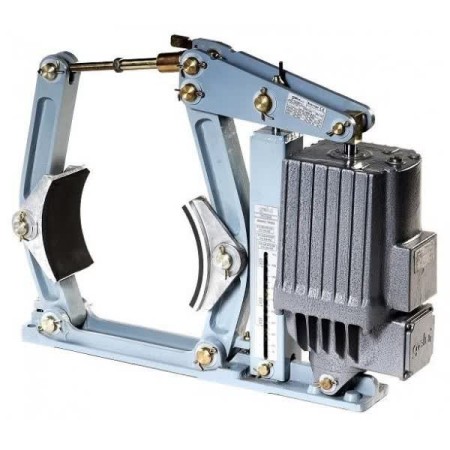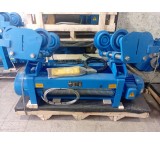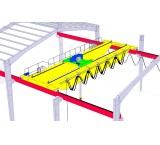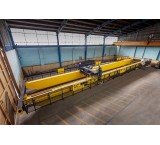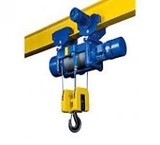
The crane shoe brake is a type of brake used to control the movement of cranes. This brake consists of two shoes arranged as a pair on both sides of a drum. The drum is directly connected to the crane's shaft.
When the brake is activated, the shoes press against the drum by an external force. This pressure creates friction between the shoes and the drum, consequently reducing the crane's movement.
The crane shoe brake is a powerful braking system that can safely control the crane's movement under various conditions, including loading and unloading.
Components of the Crane Shoe Brake
- Shoes: The shoes are made from materials such as steel, cast iron, or plastic. They must have sufficient friction surface to generate the necessary braking force.
- Drum: The drum is a circular surface against which the shoes press. It is usually made of steel.
- Spring: The spring provides the force needed to press the shoes against the drum.
- Brake control system: This system is responsible for activating and deactivating the brake and is typically controlled by the crane operator.
Types of Crane Shoe Brakes
- Manual shoe brake: Activated and deactivated manually by the crane operator.
- Hydraulic shoe brake: Activated and deactivated by a hydraulic system.
- Electric shoe brake: Activated and deactivated by an electrical system.
Advantages and Disadvantages of Crane Shoe Brakes
Advantages:
- High braking power
- High reliability
- Low maintenance cost
Disadvantages:
- Heavy weight
- Takes up significant space
Applications of Crane Shoe Brakes
Crane shoe brakes are used in various types of cranes, including overhead cranes, tower cranes, mobile cranes, and gantry cranes.
Safety Tips for Crane Shoe Brakes
- The crane shoe brake should be regularly inspected and repaired by a specialist.
- If the brake fails, the crane should be taken out of service.
- The crane operator must be trained on how the shoe brake operates.
Pricing Factors for Crane Shoe Brakes
The price depends on various factors, including:
- Type of brake: manual, hydraulic, or electric brakes have different prices.
- Size of the brake: larger brakes are generally more expensive.
- Weight of the brake: heavier brakes usually cost more.
- Manufacturer brand: reputable brands typically charge higher prices.
Generally, the price of a crane shoe brake ranges from several million to tens of millions of Iranian rials.
Examples of Crane Shoe Brake Prices:
- Manual shoe brake for overhead cranes
- Hydraulic shoe brake for tower cranes
- Electric shoe brake for mobile cranes
For precise pricing information, you can contact authorized dealers of these products.
Buying Tips
- When purchasing a crane shoe brake, pay attention to the type and size required for your crane.
- Avoid buying counterfeit and low-quality brakes.
- Purchase from authorized dealers to benefit from suitable after-sales service.
Overhead Crane Shoe Brake
The overhead crane shoe brake is a type of brake used to control the movement of overhead cranes. This brake consists of two shoes arranged as a pair on both sides of a drum. The drum is directly connected to the crane's shaft.
When the brake is activated, the shoes press against the drum by an external force. This pressure creates friction between the shoes and the drum, consequently reducing the crane's movement.
The overhead crane shoe brake is a powerful braking system that can safely control the crane's movement under various conditions, including loading and unloading.
Components of the Overhead Crane Shoe Brake
- Shoes: Made from materials like steel, cast iron, or plastic, with sufficient friction surface to generate braking force.
- Drum: A circular surface made usually from steel, against which the shoes press.
- Spring: Provides the force needed to press the shoes against the drum.
- Brake control system: Responsible for activating and deactivating the brake, usually controlled by the crane operator.
Types of Overhead Crane Shoe Brakes
- Manual shoe brake: Activated and deactivated manually by the operator.
- Hydraulic shoe brake: Activated and deactivated by a hydraulic system.
- Electric shoe brake: Activated and deactivated by an electrical system.
Advantages and Disadvantages of Overhead Crane Shoe Brakes
Advantages:
- High braking power
- High reliability
- Low maintenance cost
Disadvantages:
- Heavy weight
- Occupies significant space
Applications of Overhead Crane Shoe Brakes
Used in various overhead cranes to control movement during loading and unloading, along specified paths, and to prevent load dropping.
For purchasing crane cable pulleys and spare parts prices, visit the E Abzar online store.
https://eabzar.net/product/%D8%AA%D8%B1%D9%85%D8%B2-%DA%A9%D9%81%D8%B4%DA%A9%DB%8C/