
There are no comments for this product
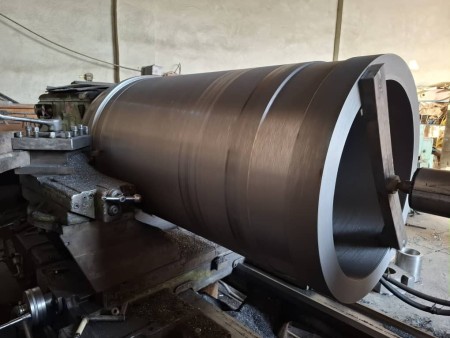
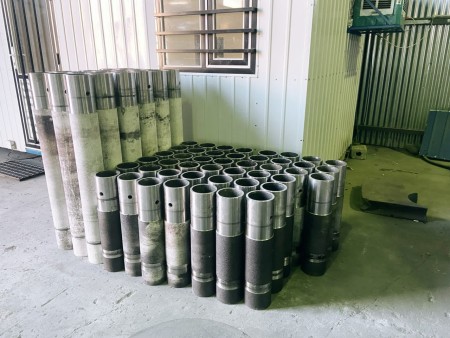
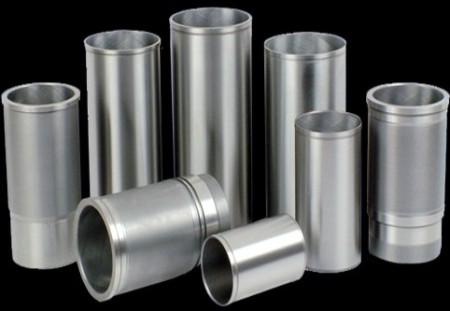
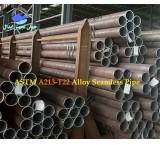
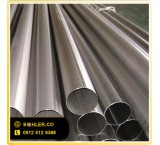
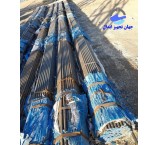
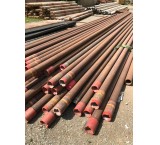
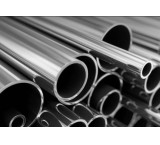
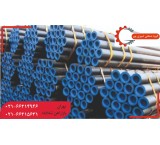
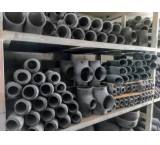
Fundamental Principle of the Centrifugal Method at Asia Pipe Company In this method, the mold (usually cylindrical) rotates rapidly around its axis. The molten material introduced is pressed against the mold wall under the influence of centrifugal force several times greater than gravity (G-factor between 60 and 120). This force has two key effects: 1- High density and purity: Lighter bubbles and impurities are pushed toward the inner surface of the molten layer and are removed by machining. 2- Directional solidification: Solidification occurs from the outer wall inward, creating a fine-grained and uniform structure in the pipe wall. Key advantages of pipes produced by this method: 1- Metallurgical uniformity: Absence of macro segregation, uniform chemical composition distribution. 2- Superior mechanical properties: Excellent strength and toughness in the circumferential direction due to fine-grained structure. 3- Dimensional flexibility: Production of large diameters (up to several meters) and high thicknesses. 4- Alloy flexibility: Capability to cast refractory, stainless, and special alloys. General classification of products and common materials: Centrifugal pipes are generally produced in two main branches: True Centrifugal pipes (coreless pipes) and Semi-Centrifugal pipes for casting parts. Main pipe categories: Cast iron pipes: Gray cast iron – Ductile cast iron – White cast iron – Wear-resistant Carbon and alloy steel pipes: Stainless steel – Low alloy steels, carbon steel, austenitic, duplex stainless steel Non-ferrous alloy pipes: Nickel alloys (Invar, Monel, Inconel), copper-nickel alloys (CuNi), brasses, aluminum bronzes Composite two-layer pipes: Inner corrosion-resistant layer (such as stainless steel or nickel alloy) + outer high-strength layer (carbon steel) Special/engineering pipes: Ladle pipes, rolling mill pipes made of tool steels or special alloys, bearing pipes Final note: Alloy selection directly depends on service requirements (temperature, pressure, corrosive environment, wear). For example, mineral slurry transfer pipes are made of chromium white cast iron, boiler pipes from low alloy steel, and pipeline pipes in chemical industries from duplex stainless steel. If you need more detailed information about a specific alloy or standard, please ask your question for more targeted technical information. Manouchehr Zamani Tehrani (At the bottom of the ad) Reza Joibari (At the bottom of the ad)
There are no comments for this product
| Company | لوله ریزان گریز از مرکز آسیا |
|---|---|
| Tel | |
| Mobile | +98 996×××4641 |
| Whatsapp link | |
| Instagram page | |
| Telegram | Telegram link |
| Country | Iran |
| Province | Esfahan |
| Address | آدرس:اصفهان-شهرک صنعتی تیران-خیابان سوم پلاک۲۵ |


Jooyeshgar AI Assistant