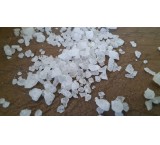
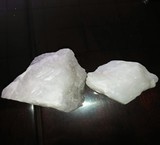
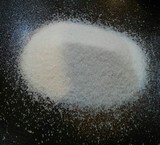
Resin Revival Technology with Ultra Hard Salt: Comprehensive Process Protection Guide and Process Optimization\r\n\r\n The silent enemy of your facilities; Hardness of water\r\nIn the world of industry, large -scale facilities management and complexes, there are many hidden variables that can increase operational costs exponentially. The hardness of water, due to the presence of calcium ions (CA²⁺) and magnesium (mg²⁺), is one of the most destructive variables. These ions form a silent crisis by forming carbonate sediments in the inner wall of pipes, heat exchangers, boilers and industrial equipment: reducing heat transfer efficiency, system pressure drop, increased energy consumption and premature depreciation of expensive equipment. The resin hardness device is the front line of the defense against this phenomenon, and the hardness of the hardener is the vital fuel of this defense system.\r\n\r\n Technical Description of the Process of Hardness and Vital Salt in Resin Revival\r\n\r\nTo understand the importance of salt quality, we must first examine the mechanism of the functioning of the hardening machine:\r\n\r\n1. The Ion Exchange Process: The heart of the hardener is a column full of cationic resin grains. These resins are covered with sodium ions (na⁺). When hard water passes through this column, the resins absorb calcium and magnesium ions from the water due to their higher compound and, in return, release sodium ions to the water. The output of this process is soft blue and free of sedimentary factors.\r\n\r\n2. Resin Exhaustion: After a certain volume of water passes, the ion exchange capacity of the resins is completed and their surface is saturated with calcium and magnesium ions. At this point, the device is no longer able to soften the water and requires the Regeneration process.\r\n\r\n3. Reducing technology with Brine Regeneration: It is here that the hardener salt comes into action. Salt (sodium chloride - Nacl) is combined with water in a separate tank and forms a concentrated water solution. In the resuscitation cycle, this concentrated solution is injected into the resin column. The very high concentration of sodium ions in the solution creates a powerful concentration slope and, during a reverse ion exchange process, removes calcium and magnesium ions attached to the resin and fills their replacement with fresh sodium ions. Finally, these annoying ions are poured out of the system with extra waterfalls, and the resin is "charging" for a new work cycle.\r\n\r\n Strategic Benefits Use High Salt High Salt\r\n\r\nThe quality of hard salt is not a choice, but an engineering necessity. The use of gross or low -quality salts not only disrupts the restoration process, but also damages the entire system:\r\n\r\n Maximum Reduction Intelligence: Our salt with a purity above 99.5 % provides the maximum sodium ion ion for the resuscitation process. This means the full return of the resin capacity and the optimal performance of the device in each cycle.\r\n Prevent Resin Fouling: impurities in ordinary salts (such as
Tehran