
There are no comments for this product

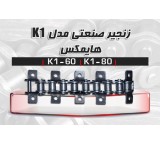
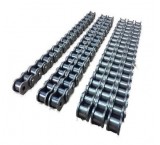
Industrial Chain Industrial chains generally refer to hinged structures made by connecting small parts with pins and hinges. Among consumers, industrial chains mainly mean power transmission chains, while the industrial chain family includes conveyor chains (material transport) and power transmission chains (sprocket chains). Although these two categories have significant structural and technical differences, their common features are the hinged shape and movement via sprockets. Detailed explanations about each of these two categories are provided on their respective pages, which can be viewed by visiting their product pages or clicking their names in this section.
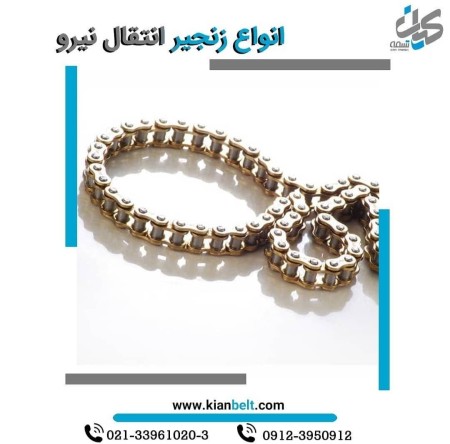
Generally, power transmission chains are metal with narrower widths and, like motorcycle and bicycle chains, serve only to transmit power from one part to another, whereas conveyor chains have both plastic and metal types, with widths ranging from about 5 centimeters to 30 centimeters, capable of transferring products along a straight or curved path. Moreover, industrial chains generally have standard codes, and their width and pitch are standardized and unique to that chain's code.
Flat Conveyor Chain A flat conveyor chain is a tool made by connecting plates with a specific pitch by pins along the length. Conveyor chains, with different structures and technical specifications, perform the same function as conveyor belts. Their driver is a sprocket, and they can be made of plastic, stainless steel (magnetic or non-magnetic). Unlike conveyor belts, the width of conveyor chains is limited to standard widths, usually between 5 to 30 centimeters, and adjusting or modifying the width of conveyor chains is not possible.
These chains have applications in various industries depending on their material. Advantages of conveyor chains include high engagement and stability on the shaft due to sprocket engagement, the ability to replace and repair damaged parts without replacing the entire chain, tensile strength suitable for long shafts, and the possibility to adjust the chain length by adding or removing chain links on-site. Their disadvantages include higher price compared to conveyor belts, heavier weight especially in metal types, noise generation, and width limitations.
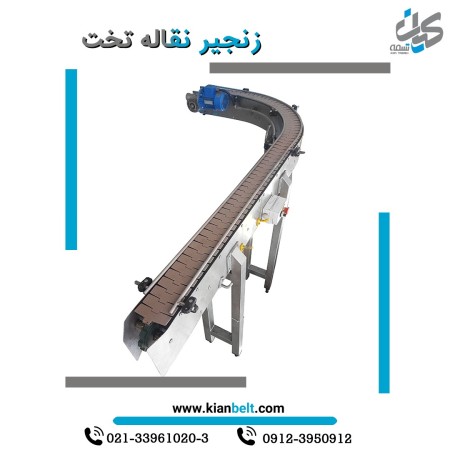
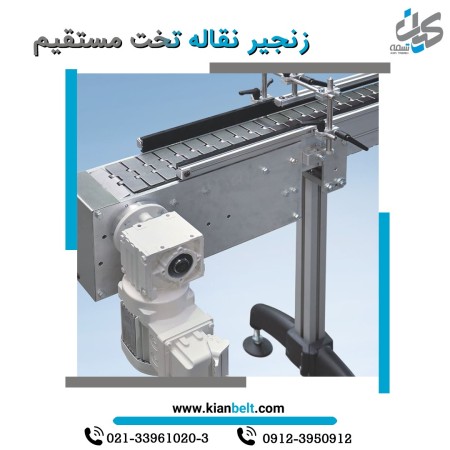
Glass or can filling lines in food and pharmaceutical industries are among the most common applications for conveyor chains. Conveyor chains are divided into two types based on movement: straight movement and rotary movement for angled shafts, each available in plastic and metal variants.
It should be noted that modular conveyor belts are another tool that performs a function similar to conveyor chains technically and structurally but has more variety and can be assembled in different widths. Information about modular conveyor belts can be found by visiting their page or clicking their name.
Straight Conveyor Chain Straight conveyor chains are used only in lines that are direct and in one alignment.
Rotary Conveyor Chain Rotary conveyor chains, due to their structure, are specifically for conveyor lines with angular movement and can perform lateral turns along the path.
Power Transmission Chain
Power transmission chains, a category of industrial chains, are extensively used in power transmission mechanisms. These chains are mostly made of metal, and the simplest application can be seen in motorcycles and bicycles. Power transmission chains function similarly to power transmission belts and are generally used when the shaft length is long or there is a possibility of heavy impacts or contact with sharp objects. These chains can engage with multiple sprockets on their shaft, and since they mesh with the sprocket, lateral movement or coming off the shaft during operation does not occur. Other advantages include resistance to heat, environmental contamination not affecting performance, and high efficiency. However, disadvantages include high weight and price, noise generation during operation, and the need for continuous lubrication. Power transmission chains come in various types based on function, explained below.
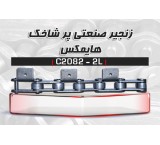
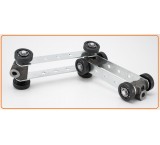
Forked Power Transmission Chain These chains differ from the simple type by having plates at 90 degrees on their sides called forks. Using these plates and attachable tools allows for product movement. Technically, their pitch and specifications are the same as the simple model.
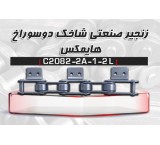
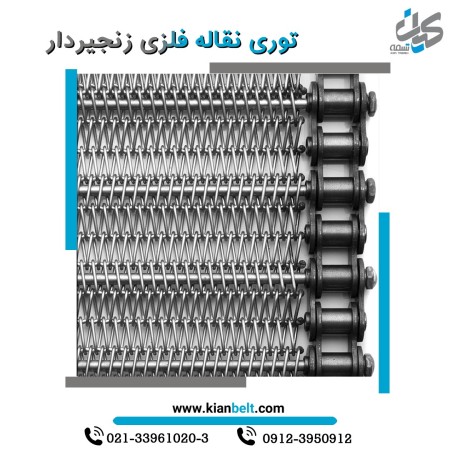
Hollow Pin Power Transmission Chain Also called HP chain or perforated chain, this type is technically similar to the simple model but with holes in each link that allow inserting rods or pins. This means these chains can be installed on both sides with supporting rods as movement aids for other tools. For example, HP chains can be used in making metal conveyor mesh by running rods through the mesh fabric and attaching the chains on both sides to provide stronger and more controlled movement using sprockets for the metal conveyor mesh.
For consultation, design, or price information, please contact us. You can also view product samples collectively and sorted by structure and application in the products section of the website. Sales Office Address: Tehran, South Saadi Street, Taghinia Commercial Building, 5th floor, Unit 507
Phone: (At the bottom of the ad)2 Fax: (At the bottom of the ad) Website: http://www.kianbelt.com Instagram page: https://www.instagram.com/kianbelt Telegram channel: https://t.me/kianbelt
There are no comments for this product

| Company | کیان تسمه |
|---|---|
| Tel | +98 21-3×××1020 |
| Mobile | +98 912×××0912 |
| Whatsapp link | |
| Instagram page | |
| Telegram | Telegram link |
| Website | https://kianbelt.com |
| Country | Iran |
| Province | Tehran |
| Address | تهران ، خیابان سعدی جنوبی، ساختمان تجاری تقی نیا، طبقه پنجم، واحد 507 |



Jooyeshgar AI Assistant