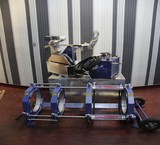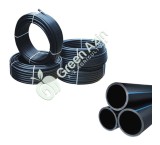

There are no comments for this product
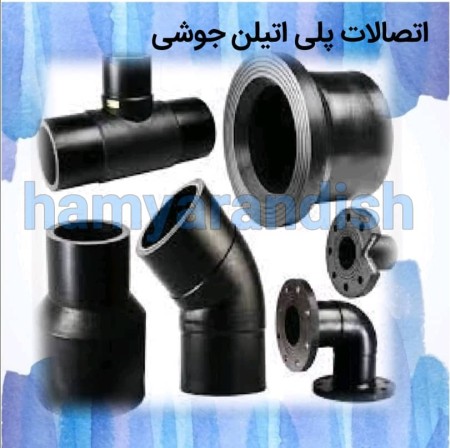
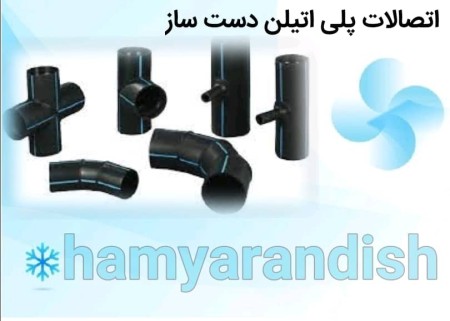


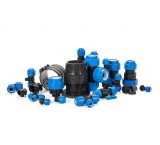
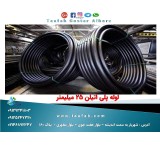
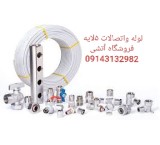
Types of Polyethylene Fittings Polyethylene pipes have a wide variety of fittings that connect the pipes to each other, creating a network of interconnected pipes in various projects. Some of these fittings include:
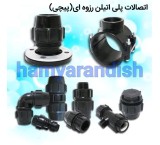
Polyethylene fittings come in two models: welded and threaded, including tees, elbows, flanges, reducers, cross fittings, and more.
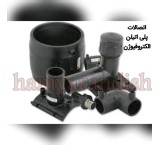
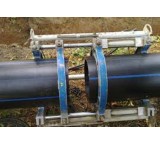
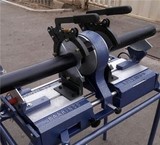
Welded Polyethylene Fittings: Another method of connecting two polyethylene pipes is using polyethylene welded fittings. As the name suggests, these fittings are made of polyethylene, and due to the extensive applications of polyethylene pipes, these fittings are widely used.
Applications of Polyethylene Fittings
Welded Polyethylene Fittings Another method of connecting two polyethylene pipes is using polyethylene welded fittings. As the name suggests, these fittings are made of polyethylene, and due to the extensive applications of polyethylene pipes, these fittings are widely used.
Applications of Polyethylene Fittings
Welded Polyethylene Fittings
Types of Polyethylene Fittings Polyethylene pipes have a wide variety of fittings that connect the pipes to each other, creating a network of interconnected pipes in various projects. Some of these fittings include:
Features of Fittings Used in Polyethylene Pipes
Due to the numerous advantages of polyethylene fittings, they have gained significant popularity and application. Polyethylene fittings are used in water supply and sewage pipelines, gas lines, industry, underwater installations, electrical and telecommunication cables, and more.
Here are some of these advantages:
Types of Polyethylene Fittings include:
Welded polyethylene fittings In this type, electrofusion welding is used to connect pipes and fittings.
Screw polyethylene fittings As the name suggests, bolts and nuts are used to connect pipes and fittings and prevent leaks. Despite their widespread use, welded polyethylene fittings are more popular.
Water supply polyethylene fittings Used in water transfer systems, for example, widely used in water and sewage companies.
Drip irrigation polyethylene fittings Used in agricultural field irrigation and plant watering.
Although all factors affecting polyethylene pipe prices also influence the price of these fittings, polyethylene fittings come in a wide variety, and their prices vary greatly depending on model and application. Since most problems occur at fittings, high quality and performance must be carefully considered when purchasing polyethylene fittings.
Types of Polyethylene Fittings include:
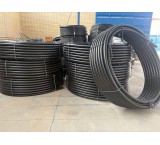
Advantages of Polyethylene Fittings Polyethylene pipes offer desirable properties such as light weight, abrasion resistance, corrosion resistance, high impact resistance, and superior flexibility. Other features and advantages of polyethylene pipes include:
Easy Handling Polyethylene pipes are easier to transport and install compared to other options, offering significant cost and ROI benefits. Polyethylene density is about one-eighth that of steel, so heavy lifting equipment is not needed during installation. Thanks to their excellent flexibility, polyethylene pipes can be bent without additional fittings, allowing easy installation in uneven terrains and continuous lengths.
Reduced Installation Costs High-density polyethylene systems can be welded into seamless, leak-free pipes requiring fewer fittings, resulting in significant labor and installation savings.
Thermal Fittings Polyethylene pipes are thermally joined, creating a connection stronger than the pipe itself. Electrofusion is a reliable welding method used for polyethylene pipes, offering significant installation advantages over traditional pipe materials.
Corrosion and Chemical Resistance Polyethylene does not rust, corrode, or support biological growth. Compared to traditional pipe materials, polyethylene pipes have excellent chemical resistance, resisting corrosion, acids, bases, and salts. They are also unaffected by fungi and bacteria, enabling resistance to organic materials.
Pipeline Rehabilitation Trenchless technologies also use polyethylene pipes and fittings to repair old and damaged pipelines. Several technologies are available for rehabilitating old pipelines, including slip lining and pipe bursting. Both are excellent techniques for restoring or replacing and upgrading existing urban infrastructure.
Trenchless Installation Traditional piping systems are installed by open-cut trenching, causing traffic and environmental disruption. Polyethylene pipes can be installed using this traditional method or environmentally friendly trenchless technology.
For trenchless installation, a device drills a continuous horizontal hole underground. When the drill head reaches the hole's end, the pipe is attached and pulled back through the hole. The flexibility, outstanding tensile strength, and abrasion resistance of polyethylene pipes make them the preferred and proven choice for trenchless installation technology. Pipes can be installed under streams, rivers, lakes, roads, or straight paths with minimal environmental and public disruption.
Compared to a non-plastic pipe installed by open-cut methods, a leak-free polyethylene system installed using non-invasive trenchless technology is more cost-effective.
Advantages of Welded Polyethylene Fittings
There are no comments for this product
| Company | همیار اندیش البرز |
|---|---|
| Mobile | +98 912×××2401 |
| Website | https://hamyarandish.ir |
| Country | Iran |
| Province | Tehran |
| Address | انتهای بلوار کشاورز نرسیده به خیابان دکتر قریب پلاک 370 طبقه 2 واحد10 |



Jooyeshgar AI Assistant