
There are no comments for this product
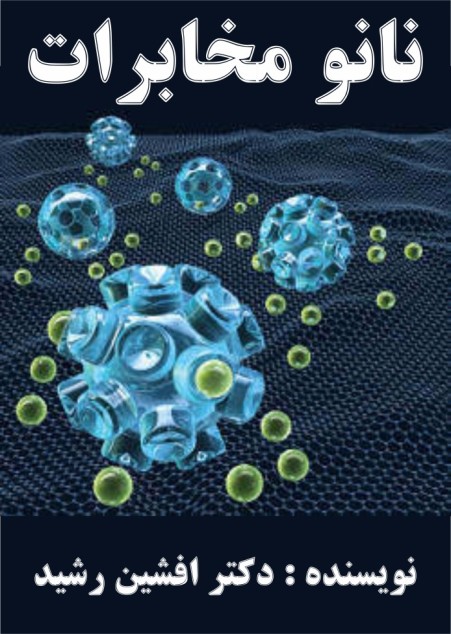
Introduction of the Nano Telecommunications book
The book "Nano Telecommunication" written by Afshin Rashid describes this topic of widely used telecommunication science and explains its structure and functions.
In a part of the book Nano Telecommunications we read:
Data transfer between two nanoparticles can increase the capabilities and applications of nanodevices compared to their single mode of operation, both in terms of complexity and scope of operation. This complex and perfect process with a wide range of coverage can be named Nano Telecommunication. Regarding the communication structure between two nanoparticles through chemical signaling, their measurement performance requires that they be placed inside an environment from which parameters must be measured, and the area covered by a nano network is limited to its surrounding environment.
Meanwhile, a network of communication nanoparticles can cover a wider area and perform more network processing. Additionally, there are numerous nanocommunication technologies that require the use of external stimulation and measurement to operate.
Wireless communication between nano network and micro and macro devices and equipment can meet this need. A simple nano telecommunication device consists of a carbon nanotube that creates two electrodes. These contact magnetic particles are exposed to various large molecules, causing some of them to attach to the surface of the carbon nanotube. In nanocommunications, different molecules give unique sound signals related to the properties of the molecules. The strength of interaction between carbon nanotubes and molecules arises from noise signals.
There are no comments for this product


Jooyeshgar AI Assistant